
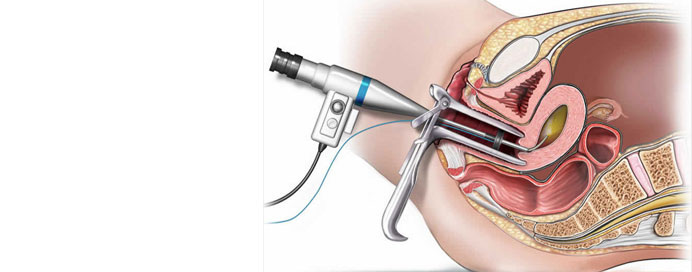
Hysteroscopy is a minimally invasive gynecological procedure used to diagnose and treat abnormalities inside the uterus. A thin telescope-like instrument called a hysteroscope is inserted through the cervix to directly visualize the uterine cavity without any major incision. It is commonly performed for conditions such as uterine polyps, uterine septum, intrauterine adhesions, abnormal bleeding, infertility, and recurrent pregnancy loss. Hysteroscopy provides accurate diagnosis and effective treatment with minimal discomfort and faster recovery.s
Uterine polyps are small growths inside the uterine lining that may cause heavy bleeding, irregular periods, or fertility problems. Hysteroscopic polypectomy allows precise removal of these polyps while preserving the normal uterine structure. The procedure is safe, minimally invasive, and helps improve menstrual and reproductive health outcomes.
A uterine septum is a congenital partition inside the uterus that may contribute to infertility, recurrent miscarriages, or pregnancy complications. Hysteroscopic septum resection helps restore the normal shape of the uterine cavity, improving the chances of successful conception and healthy pregnancy outcomes. The procedure is performed with precision and requires minimal recovery time.
Intrauterine adhesions, also known as Asherman’s syndrome, can occur after infections, surgeries, or repeated uterine procedures. These adhesions may lead to menstrual irregularities, infertility, or recurrent pregnancy loss. Hysteroscopic adhesiolysis helps remove scar tissue and restore normal uterine function for better reproductive health.
 tanu2630@gmail.com
Copyright © 2026 Dr. Tanu Verma Center All Rights Reserved.